Your Twitch Heritage: How to Record and Store All Your Favorite Best Streaming Moments
For many content creators, broadcasting on Twitch is beyond a hobby; it is a method to engage an online community and build a community. Every single stream embodies cherished moments, from epic gameplay achievements to genuine interactions with viewers. However, these moments can easily fade away if they're not properly captured and archived. For streamers, having a method to store your best moments is vital for maintaining those moments for the streamer and your audience.
In this post, we will explore the best methods for documenting, retrieving, and storing your Twitch streams, VODs, clips, and highlights. Regardless of whether you are on a Mac device, Windows laptop, or even mobile devices, we will guide you through numerous techniques to guarantee that your valuable content is never lost. We will talk about applications and resources that provide premium recordings, methods for saving Twitch clips without hassle, and tips for long-term storage and systematization. Let us dive into the necessary steps for securing your Twitch legacy and enhancing your streaming content to the forefront.
Recording Twitch Streams
To successfully capture your Twitch streams, it's essential to choose the suitable tools tailored to your system. For Windows clients, software like Open Broadcaster Software Studio and Streamlabs OBS are popular options, offering comprehensive features for high-quality recording. Mac clients can also take advantage of OBS, or consider substitutes like Screen Flow or QuickTime Player for a user-friendly capture process. Regardless of the system, these tools allow for adjustment of sound and video options, guaranteeing a high-quality recording that upholds the standard of your broadcast.
When setting up your capture, pay attention to key settings such as video quality and data rate, as these considerations greatly affect the final result quality. For optimal results, aim for a video quality that is equal to or surpasses that of your streaming broadcast, typically 1920x1080 at a data rate of 4500 kilobits per second for high-definition broadcasts. Evaluate your configuration before going live to ensure that both video and sound quality are top-quality, as well as to check that you have enough storage space to hold your captures.
Another crucial component of recording Twitch streams is including a safeguard strategy within your system. Using external storage or cloud storage services can shield your material against unexpected loss or damage. Additionally, think about simplifying your recording process through built-in features in your selected software, which can streamline capturing your broadcast each time you go live. By maintaining a secure and effective workflow, you'll be ready to keep your broadcasting legacy for upcoming use and motivation.
Acquiring and Archiving VODs
To make sure you have a durable record of your best Twitch streams, capturing and preserving your Video on Demand (VOD) materials is crucial. Twitch allows streamers to keep their broadcasts as VODs for up to two weeks for regular accounts and 60 days for Twitch Partners and Affiliates. However, once this duration expires, you face the danger of losing important content. Utilizing tools to retrieve Twitch VODs promptly is vital for maintaining your streaming memories and for future editing or highlights creation.
One effective method for retrieving VODs can be done through dedicated software or online tools. These tools allow you to input the URL of your Twitch stream and download the content directly. Look for options that support HD downloads to maintain the original audio and video standards. It's crucial to choose a trustworthy application that offers features like batch download capabilities, so you can easily save multiple VODs at once rather than going through a time-consuming method for each stream.
Once you have effectively captured your VODs, cataloging and archiving them is equally important. Create a systematic storage method to ensure quick retrieval in the future. Consider aspects such as the video format options and resolution settings to fit your needs. Additionally, keep in mind legal aspects, ensuring that you comply with Twitch's fair use guidelines when using and monetizing your recordings. A well-managed archive will not only keep your legacy but also aid in channel growth strategies by allowing you to adapt content for highlights or promotional material.
Preserving your favorite Twitch Clips and Highlights
Saving your favorite Twitch clips and highlights is crucial for keeping memorable moments from your streams. Twitch gives an convenient way to save clips straight from your broadcast. During your stream, viewers can clip moments, and these clips can be located in your Creator Dashboard. Once you've selected the clips you want to keep, you can download them directly to your device. This process allows you to gather the best moments effortlessly, ensuring you record the excitement and engagement of your audiences during live broadcasts.
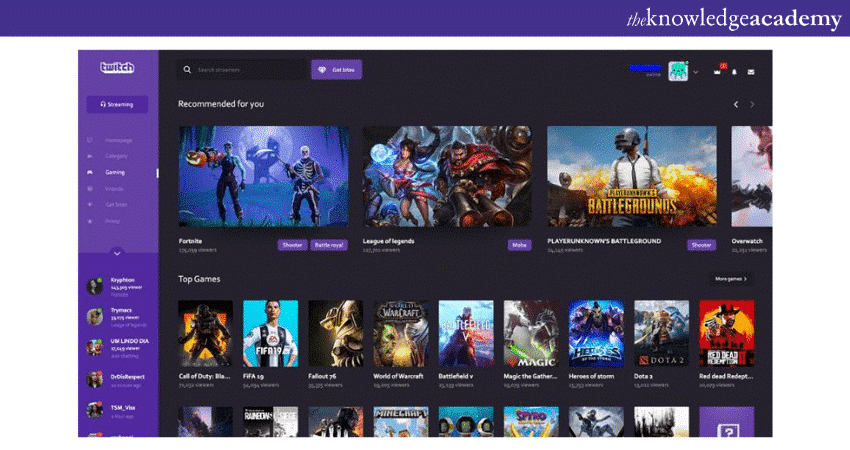
For a larger collection of highlights, consider utilizing third-party tools that ease the downloading process. Many program options are available that allow for bulk downloading, meaning you can download several clips at once. Automated clip downloading options can significantly enhance your workflow, helping you focus on content creation rather than saving manually. Always ensure that the tools you select are trustworthy and comply with Twitch policies to avoid any legal issues.
Once you have your clips, proper management and storage are important for long-term accessibility. Create a structured folder system that sorts clips by time, event, or category. Consider storing your files on cloud storage solutions to avoid loss and ensure that your highlights are easily retrievable. Additionally, editing tools can help you enhance these clips, adding extra value for viewers and contributing to your streaming legacy while enhancing your channel growth strategies.
Top Tips for Capturing Content
When recording content from Twitch, it's important to prioritize both high quality and organization. Choosing the right software for video capture can significantly impact the outcome of your recordings. Look for applications that allow you to adjust the audio and video settings, guaranteeing that you keep high resolution and bit rate. A professional setup for recording also involves using dependable hardware, such as a dedicated capture card for console gaming, which can improve the performance and clarity of your streams.
Integrating automation can make easier the experience of recording and archiving. Many software offer options for downloading in bulk of Video on Demand and clips, allowing you to be more efficient while ensuring you don't miss any crucial content. Make Worth discovering of services that enable cross-platform recording so that you can capture streams from different devices without issues. This tool improves your working process but also boosts your strategy for preserving content.
Finally, being aware of the legal aspects when recording and utilizing content from Twitch is crucial. Familiarize yourself with the guidelines for fair use to protect yourself from issues related to copyright. This knowledge will assist you make informed choices about editing and monetizing your captures, which can aid to your channel’s growth. Always maintain your archived content organized with clear labels and storage methods to ensure easy access for future editing or sharing.
Lawful and Organizational Considerations
When capturing and archiving your Twitch streams and materials, it’s crucial to be aware of juridical considerations such as intellectual property rights and fair use policies. Record Twitch on mobile free of service provide you certain rights to your own streams, but using content produced by others, including audio, game footage, or video snippets, might result in claims of infringement. Always ensure that you have the right to use any third-party materials in your broadcasts to prevent potential juridical complications down the line.
Structuring your recorded streams and VODs is essential for maintaining a organized collection. Develop a method that sections your content by date, category, or theme. This can involve using folders on your computer or online storage that reflect your broadcasting history, making it easier to locate specific moments, snippets, or entire streams. Consider labeling your files consistently that includes important information such as the broadcast date, title, and key moments or features to aid easy retrieval in the future.
Lastly, consider about long-term storage options for your captured content. Depending solely on one storage method may not be secure; consider utilizing various devices or cloud services to guarantee redundancy. Also, remember the potential need to edit or monetize these captures, which may affect the file formats you choose to save them in. Create a plan for regular backups and set up a schedule to review and categorize your materials to make certain your Twitch legacy is preserved efficiently.